
Margaret Mitchell interviews Emily Whitney
Margaret met up with Edinburgh-based photographer Emily Whitney for an extended conversation about her work. Originally from the U.S. near Philadelphia, Emily spoke about the background and experiences that drew her into issue-led storytelling and the longer-term projects that have kept her returning to themes of immigration, climate, and women’s welfare.
In this wide-ranging interview, Emily talks through her process, from research and pitching through to publication, and reflects on the practical realities of balancing longer-term projects with editorial assignments.
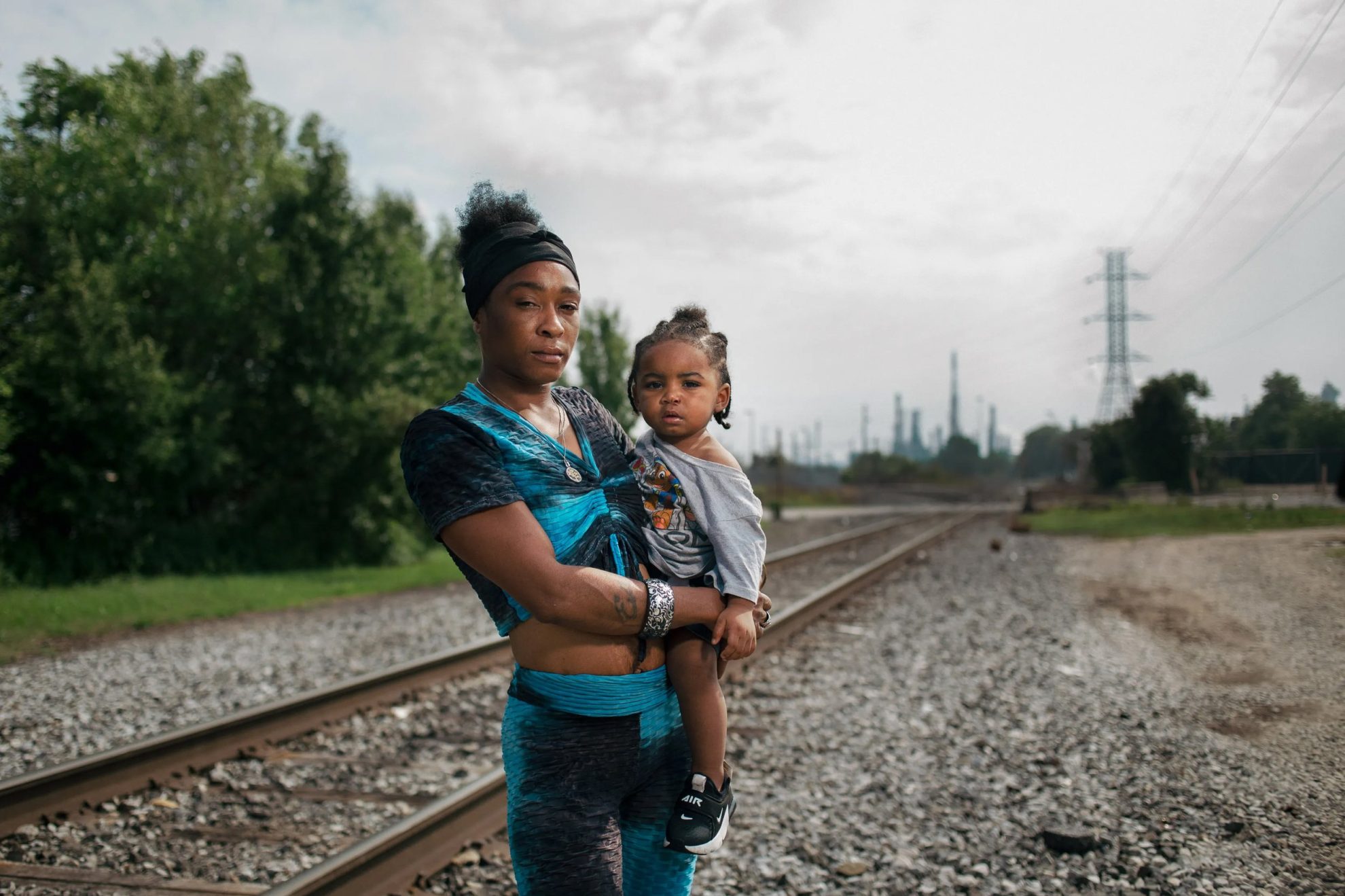
Header Image: Energy Company Plotted Gas Plant in Small Pennsylvania Town — But No One Told Residents // © Emily Whitney
Background and Formative Years
MM: You are now based in Edinburgh. Can you tell us about your background, and what initially drew you to photography and to the themes that continue to shape your work today?
EW: I’m from the U.S. near Philadelphia and have always been interested in the arts. I was an art major in college with a focus on graphic design. I went to a small school that didn’t have a photojournalism program and only offered about two photography classes. I didn’t know much about the photojournalism industry but had always enjoyed bringing my camera with me on adventures and documenting what I saw. I began to work in the nonprofit sector doing graphic design and marketing and saw examples of excellent humanitarian and NGO photography.
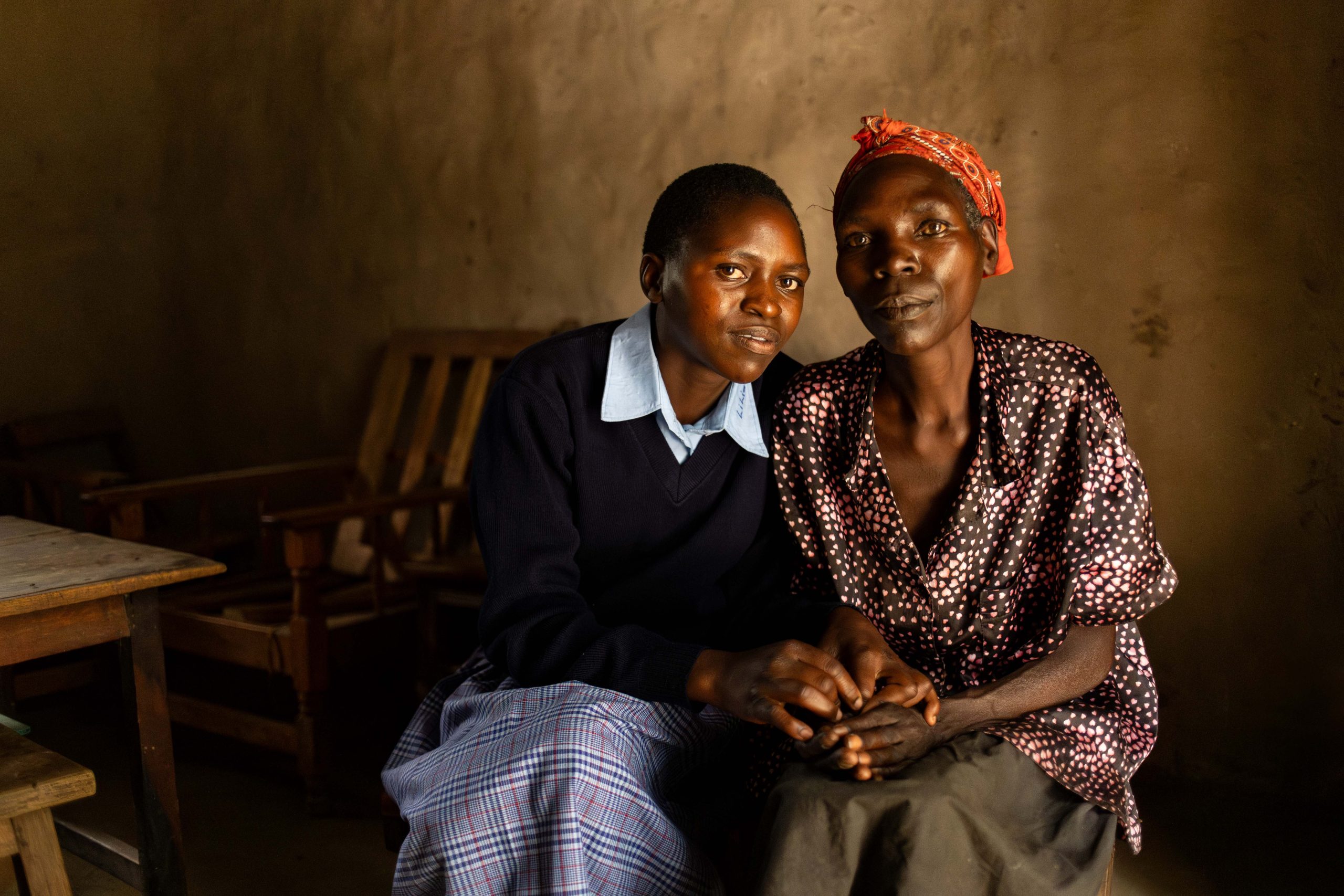
It was around this time that I shifted directions and realised I wanted to focus on using photography for a cause either for advancing the work of a nonprofit I believe in and/or covering a particular issue for the media, rather than doing graphic design. The nonprofit I still work for part-time is an organisation that works to empower vulnerable young women in rural Kenya, many of whom are teen moms. Taking trips to photograph there has made an impact on me, increasing my concern for women’s welfare around the world.
MM: That’s really interesting to hear about your turning point, moving from design work into using photography for a cause. In those early years, what kinds of stories or subjects were you drawn to, and have those interests carried forward in your work?
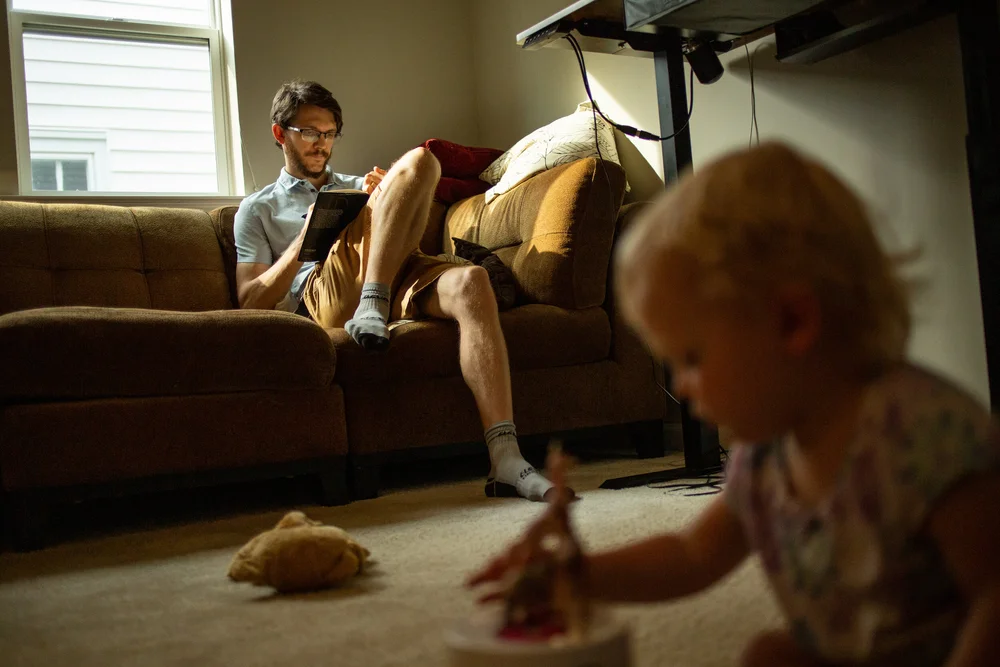
EW: My first project while I was starting out and meeting with a mentor, Hannah Yoon, in the Philadelphia area was focusing on immigrants living in the U.S. and how Covid had shaped their lives. I also did a project at this same time about my brother and sister-in-law who were new parents who had just moved into the U.S. This allowed me to have a project to start with where I was relaxed and could make photographs with intimacy because of my comfort level with the subjects. The topic of parenting, especially motherhood, has also stayed with me over time. While the particular angles, stylistic choices, and approaches have changed, I’m still interested in covering similar themes as I started out with.
MM: You now work across immigration, environmental issues, women, and human rights. How did you arrive at those as your core focus, and was there a particular project that shaped your path?
EW: These are some of the topics that are of most importance to me personally, so naturally they have become an emphasis in my work. Ever since I was young, I’ve loved the outdoors and nature, so the climate crisis is deeply concerning to me. Immigration is certainly an incredibly tense issue in the U.S. right now, but it’s been something I’ve been invested in for years.
Growing up, my mom had a lot of friends from other countries, so I spent time with them and their families. Then after college I worked at a retreat centre in Devon where about a hundred people from around the world lived in community together.
Having such close friends from different countries has caused me to see other types of people with a lens of similarity, rather than how we are different. I’ve also developed a burden for those who feel unsafe because of their legal status or race.
Regardless of one’s political perspective, I hope my work on this topic helps others to see people in the way I do — as precious lives worthy of dignity and respect.
MM: From what you’ve described, your background seems to have shaped both your concerns and your way of seeing. Do you think personal experience in life influences how you work as a photographer?
EW: Yes, I don’t think we can isolate our personal lives from the work we make. Of course, I think there is a place for healthy boundaries and appropriate neutrality, but I think our experiences shape who we are, what motivates us, and what we are compelled to create. Without tapping into our own personal experiences, I also think we aren’t able to relate well with those we’re photographing/collaborating with.
Breaking down barriers in those relationships and becoming relatable (where appropriate), is incredibly helpful for the work to be made. If I’m photographing or interviewing someone who is going through some form of trauma, the more that I consider my own challenges in life, I then remember to work slowly, calmly, ask what they’re comfortable with, and try to give them a sense of control over the situation since so much has been taken from them.
Approach and Practice
MM: Thinking about your practice now, do you tend to work on short assignments or longer-term projects. Is there one project in particular that has really stayed with you?
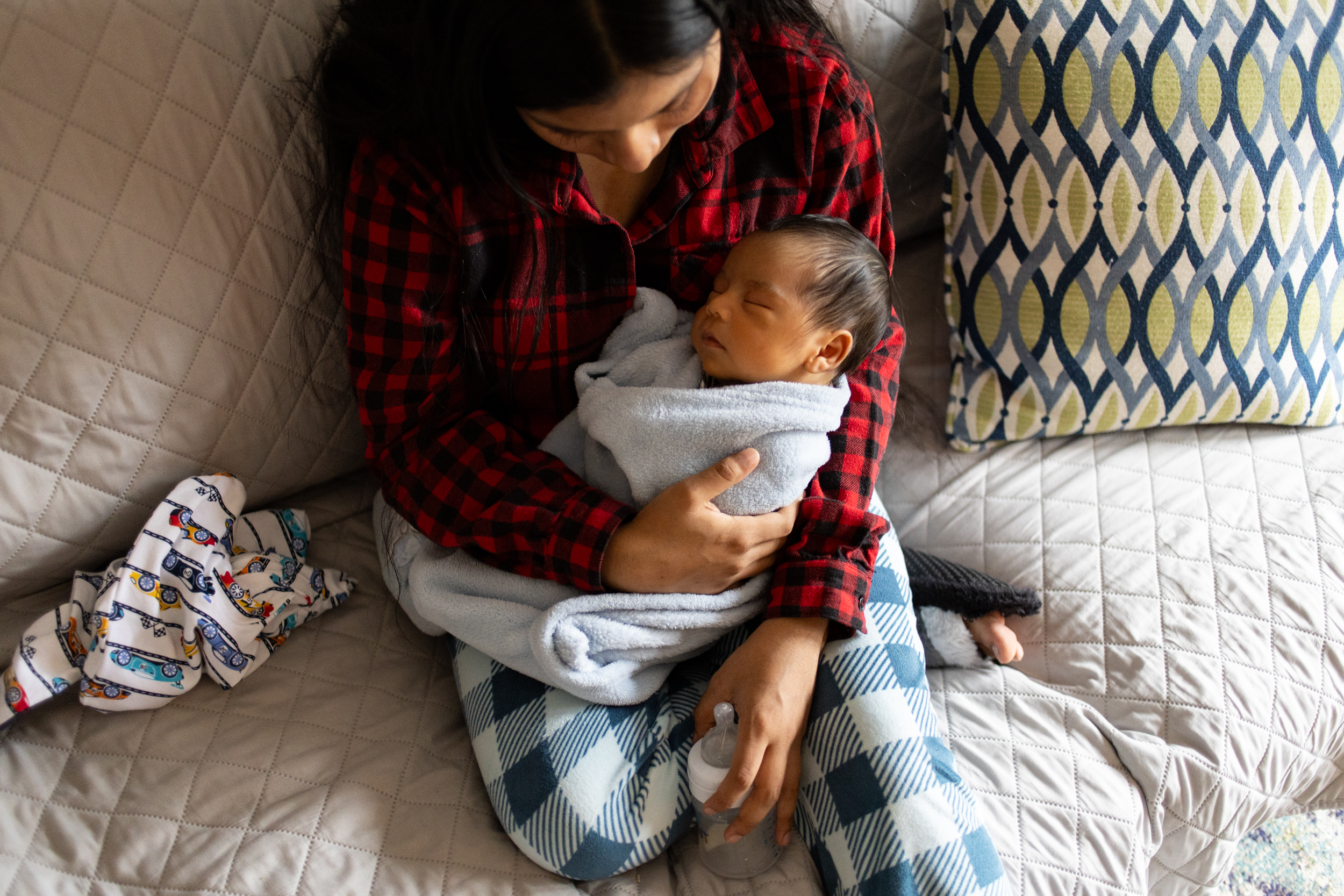
EW: Usually, I focus on self-initiated projects which typically tend to be on the longer side before they are “completed” (or at least a chapter is completed). I get the occasional short assignment as well but right now, this isn’t extremely frequent. The projects that stay with me the most are the ones where I’ve spent more time with the people in the story. For example, there were a few young mothers who I got close with because I photographed them on and off for a long time for my Mothers of the Borderland story, and also a family from Afghanistan who I met up with many times to document their transition to living in the U.S.
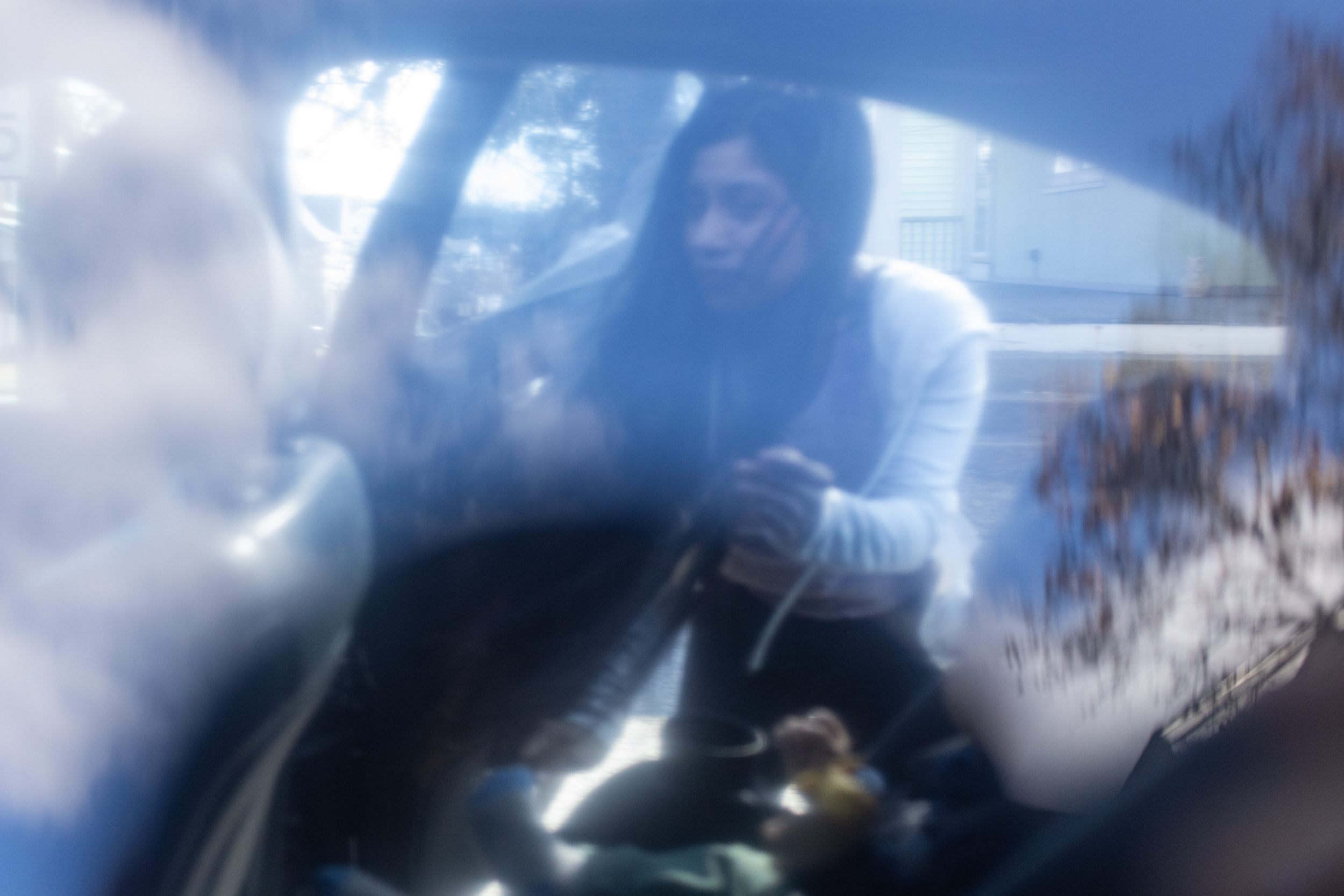
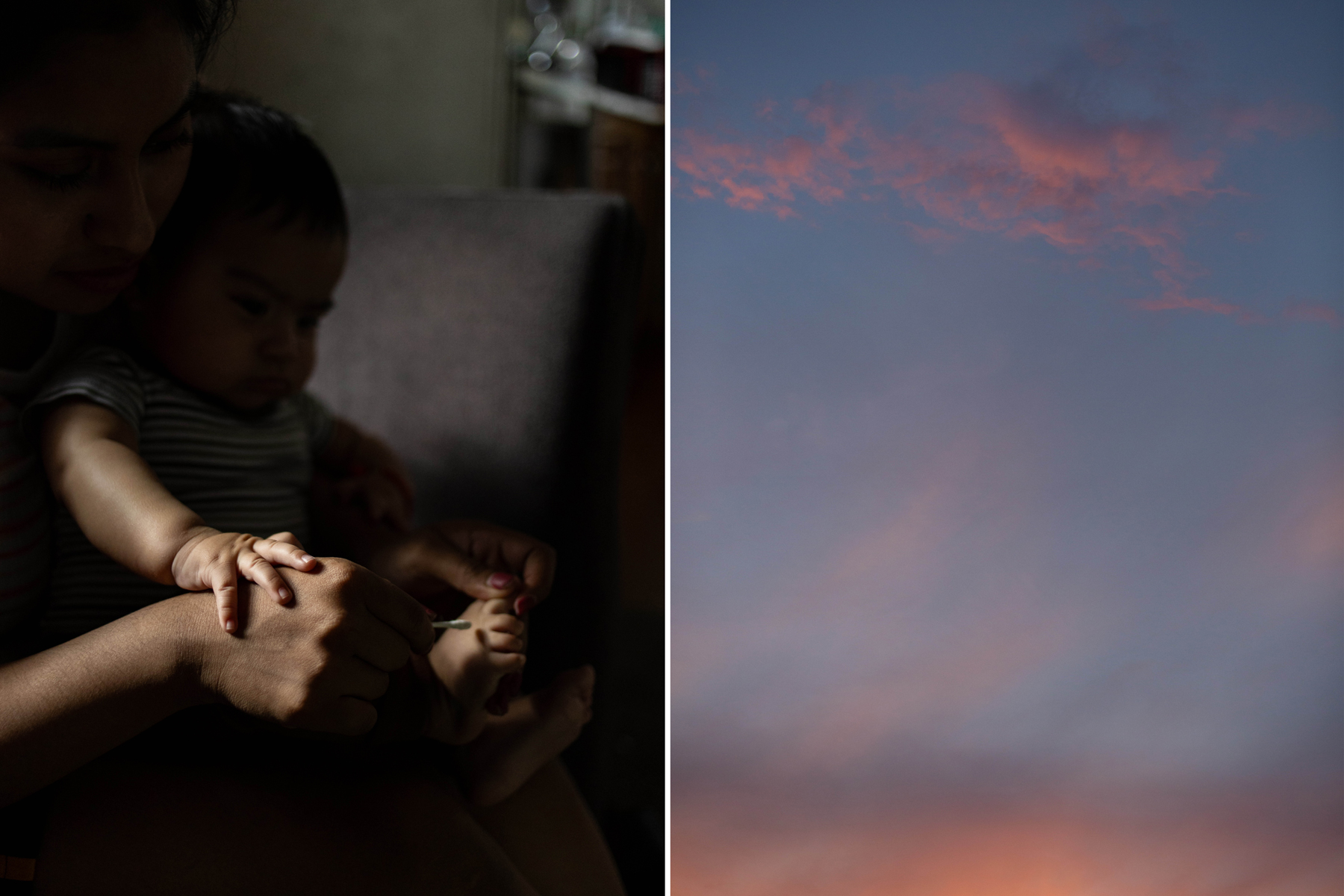
MM: You describe Mothers of the Borderland as a poetic portrait of young mothers who crossed the Mexico–U.S. border. How did the project begin, and what guided your approach to photographing those you met?
EW: This project began in 2023 before Trump was running for a second term, so it wasn’t primarily a political project for me. I was part of a year-long workshop, the Tacet Eye Workshop, where participants work on their on long-term personal project throughout the year. I was excited to participate in it because I’d heard it highly recommended and wanted to have guidance in building a project over time. I looked for a topic that would allow for a sense of intimacy as I spent time with the same people over many months. I started by focusing on a teen mom from Guatemala who I met through a nonprofit. After working on her story for a couple of months, my mentor suggested I expand it and include other young mothers in the project so I decided to do that but focus on immigrant mothers living in the U.S.
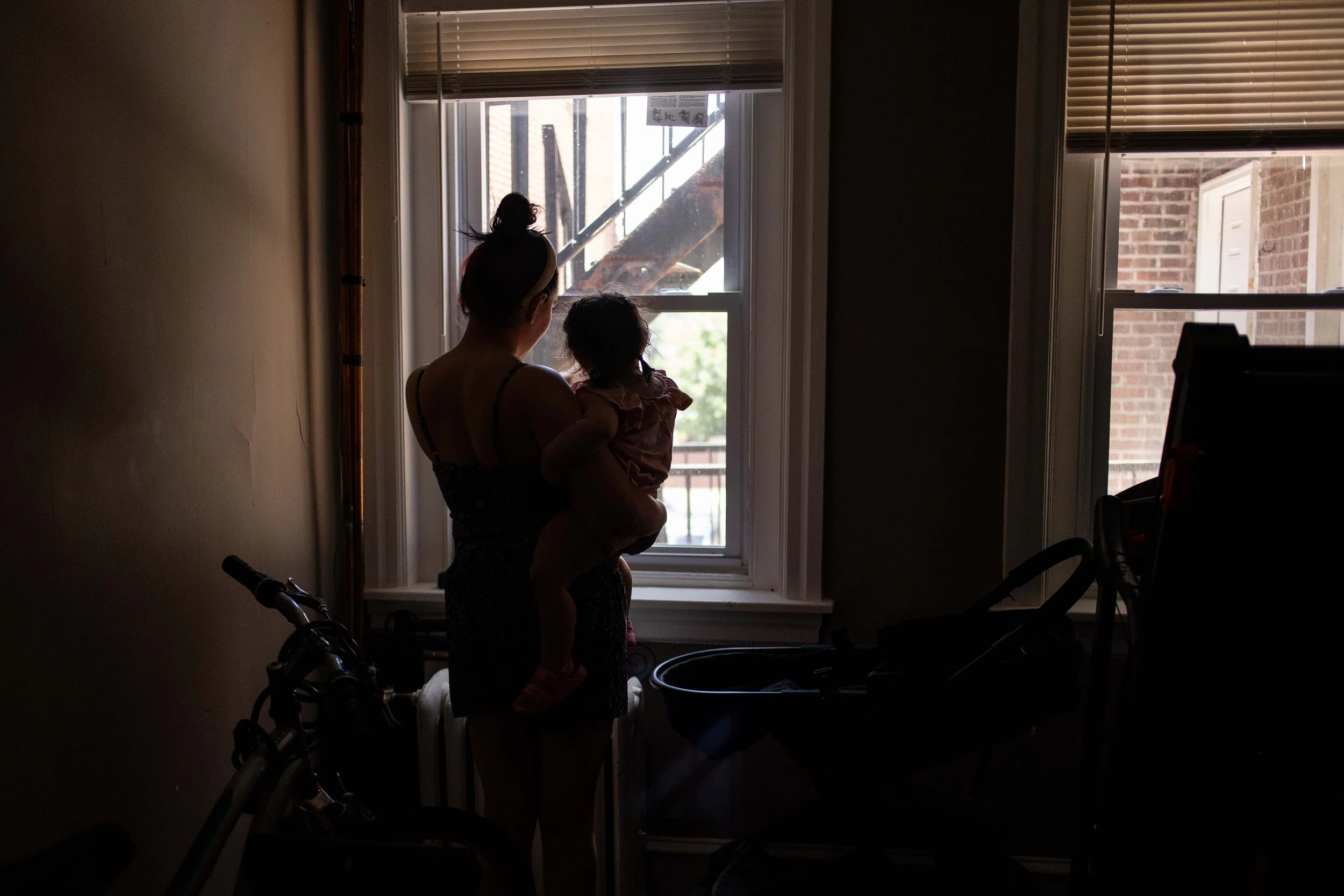
They were happy to share their stories and be photographed, but over time, as the immigration debate was heating up in the U.S., I made the decision along with my mentor and the other immigrant mothers involved to just use anonymous photos. I had great advice while working on this project to make images that are literal and anonymous so that if I had to just use the anonymous ones, I would still have a full body of work. I did interviews with the women I met first and tried to make it casual so they would be more comfortable around me before I picked up my camera. I learned that as soon as I enter a room, there can be a power dynamic, so not to take advantage of that because if someone is unsafe, it could put them at risk.
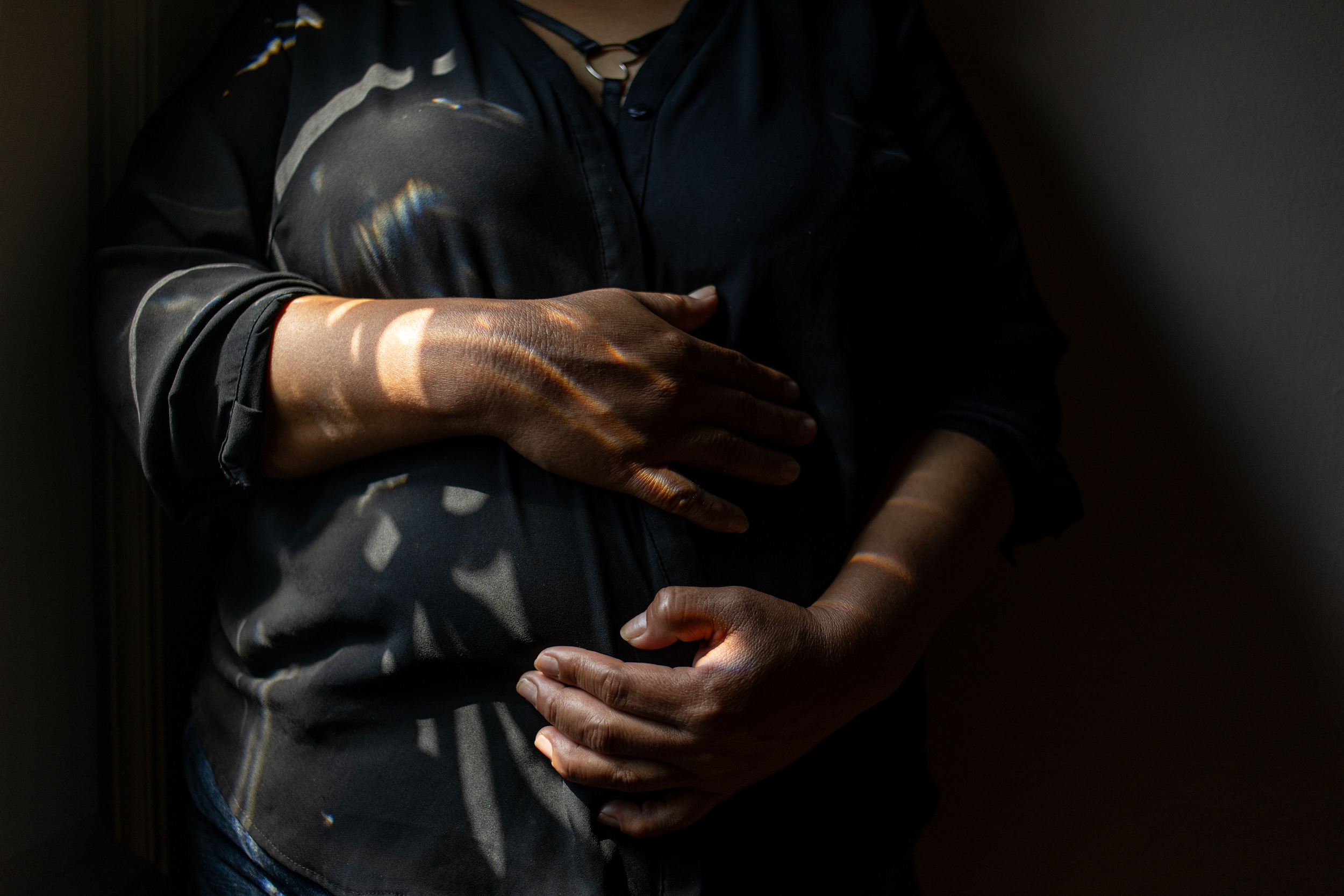
I wanted to make the experience safe and creative for them as well. Overall, I try to just be as normal as possible, relatable, and quick to listen, so that people feel they are more important to me than my pictures are. I think this approach made it sustainable over time and we were able to build trust with one another. One woman unfortunately did back out and didn’t communicate with me, so I wasn’t able to publish any images of her, but this was understandable given her circumstance and growing fears.
One thing I learned to do in this process was to be willing to scrap images, even some of my favourites, if it’s best for the person in the photograph.
Even if they don’t directly ask me to remove an image from the project, by avoiding me, I know that their fears are big enough to warrant my own decision to do that. It’s difficult, but for the best.
This project heightened my sense of empathy because I had to be especially cautious given the political climate and the genuine fear of security these women had, and also because I spent so much time with them and their children. I even became the first person to call in a crisis for one. I think there are times like this where we pause and realize the camera may have just been a way for us to create friendships that we would never have otherwise, and to allow ourselves to be changed by walking side by side with people who are different from us. So, in this project, I did a lot of anonymous portraiture which I think encourages collaboration and trust, and I tried to never push them or convince them for a certain type of photo.
Sometimes people are over-willing even when perhaps it isn’t safe for them to be. Since it was a personal project, I was able to allow people to revoke consent later on in the process. It got accepted at CNN but the editing team there was incredibly sensitive and supportive in the last couple of months before publication.
Assignment Work
MM: You’ve also worked for clients such as The New York Times and The Washington Post. How do you find working editorially for major publications, and how does that compare with the self-initiated you do?
EW: I wouldn’t say it’s drastically different from the other kinds of work I do, but there is of course some more pressure than when I work at my own pace. If I’m doing my own project, I can always keep photographing until I feel that I’m happy with the body of work, but when on assignment, I have to make sure I get successful images right away.
If on assignment, I also prioritise getting the literal shot before trying to do anything too creative or artsy, and yet, I still try to make sure the work isn’t too straightforward since I think editors often hire someone for the style and approach seen in their personal projects. So, it helps to know what type of images the assigning editor prefers and to keep that in mind while working. When I’m actually photographing though, it can be tough to keep all of these details in mind, so I try to prepare heavily and then when I get into the moment of taking photos, I try not to overthink but to let myself react instinctively to the light and the situation.
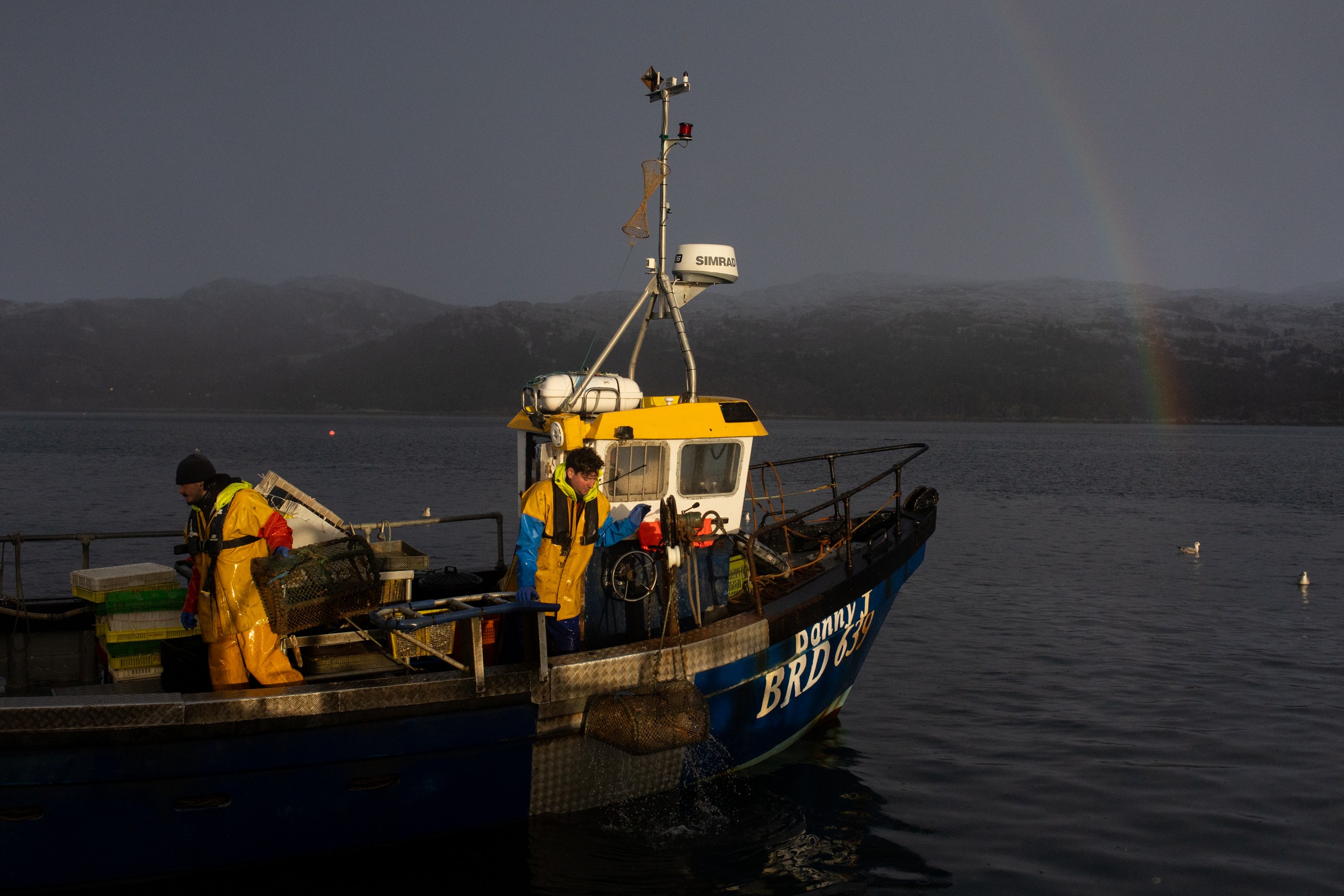
MM: You recently had a story published by the Associated Press, following a creel fisherman on the Isle of Skye and the wider issue of Marine Protected Areas. How did that story come about, and was it self-initiated or an assignment?
EW: This story was self-initiated. I initially pitched the concept after researching and starting to make contacts who I later went on to photograph. I knew it would be very helpful to get a pitch accepted before photographing to help with the costs of traveling. I pitched the idea and while there was interest from publications, it was either not a good time, they were doing something similar, or various other reasons that it didn’t work out. I really wanted to pursue the story though since I felt it is a very important issue right now as we tackle ecological questions and their impact on the livelihood of people living near the coast in Scotland and beyond.
So, I went ahead and decided to photograph without having the project accepted. I was clear with participants about the situation, and they were all understanding and still willing to meet. After I had a lot of images that I liked which I felt told the story, I followed up and pitched with the images. It was at this time that I contacted Alyssa Goodman from the Associated Press who has also volunteered at the Missouri Photo Workshop of which I was a participant at in 2023. I hadn’t met her before, but I knew she was a climate photo editor, so after reaching out to her, one thing led to the next. I sent them a text draft and reporter Annika Hammerschlag used that to develop the final article. When going through an edit, Alyssa and I agreed that we needed to get a good photo of a trawling vessel, so I drove to Fraserburgh for that and then the story was published a couple of weeks later.
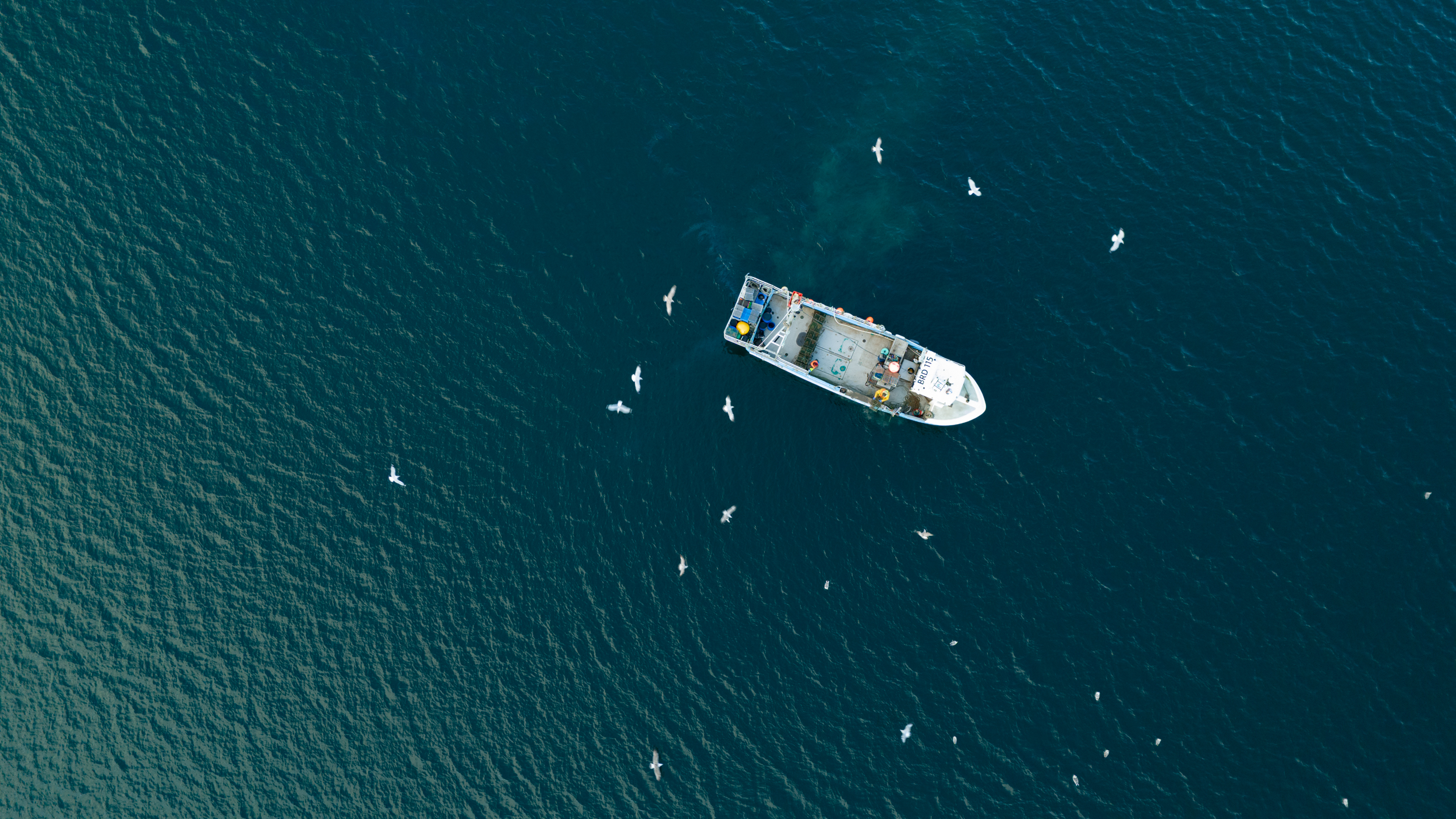
MM: When you take on a story like this, what is your process? Is there a research phase, and how do you balance the visual and written elements? Since you also wrote the text, how do you view neutrality versus subjectivity in your reporting of the subject?
EW: I typically do a lot of research and exploration before beginning to pitch. I know editors want to see that you’ve invested time in considering various angles, really know the topic well, and can communicate it succinctly in a successful pitch. It can be helpful for editors to see some images although not a completed one since they will want some input on shaping the direction, however, I also find it difficult to do much photography before getting assurance that it will publish because it is a large time and financial investment.
However, most of my projects are on topics that I really care about so even when a story doesn’t publish, I still consider it worthwhile, and the process is rewarding on its own
Over time, I’ve changed as a person through working on various projects and spending time with people in different life situations from mine and I’ve come to care more for them and others like them. I also find the art making process to be exciting, challenging, and rewarding on its own aside from views, affirmation from others, or impact.
As far as balancing the visual and written elements, I think the research and interview phases are very helpful for me to get an initial direction for what the crux of the story is. I’ve learned to focus more on what really makes a story tied to the challenges faced by specific subjects—not just a topic that I find to be important. I think through the various types of images that will be needed to visually backup the story, but then when I’m out photographing, I try not to get overly focused on my to-do list, but to instead remember to see light and moments. I think it’s always somewhat of a dance for the text and images to work together, but with enough strong visuals, they eventually complement the angle. At that point, I can also use some of the images to push forward certain points when writing a draft.
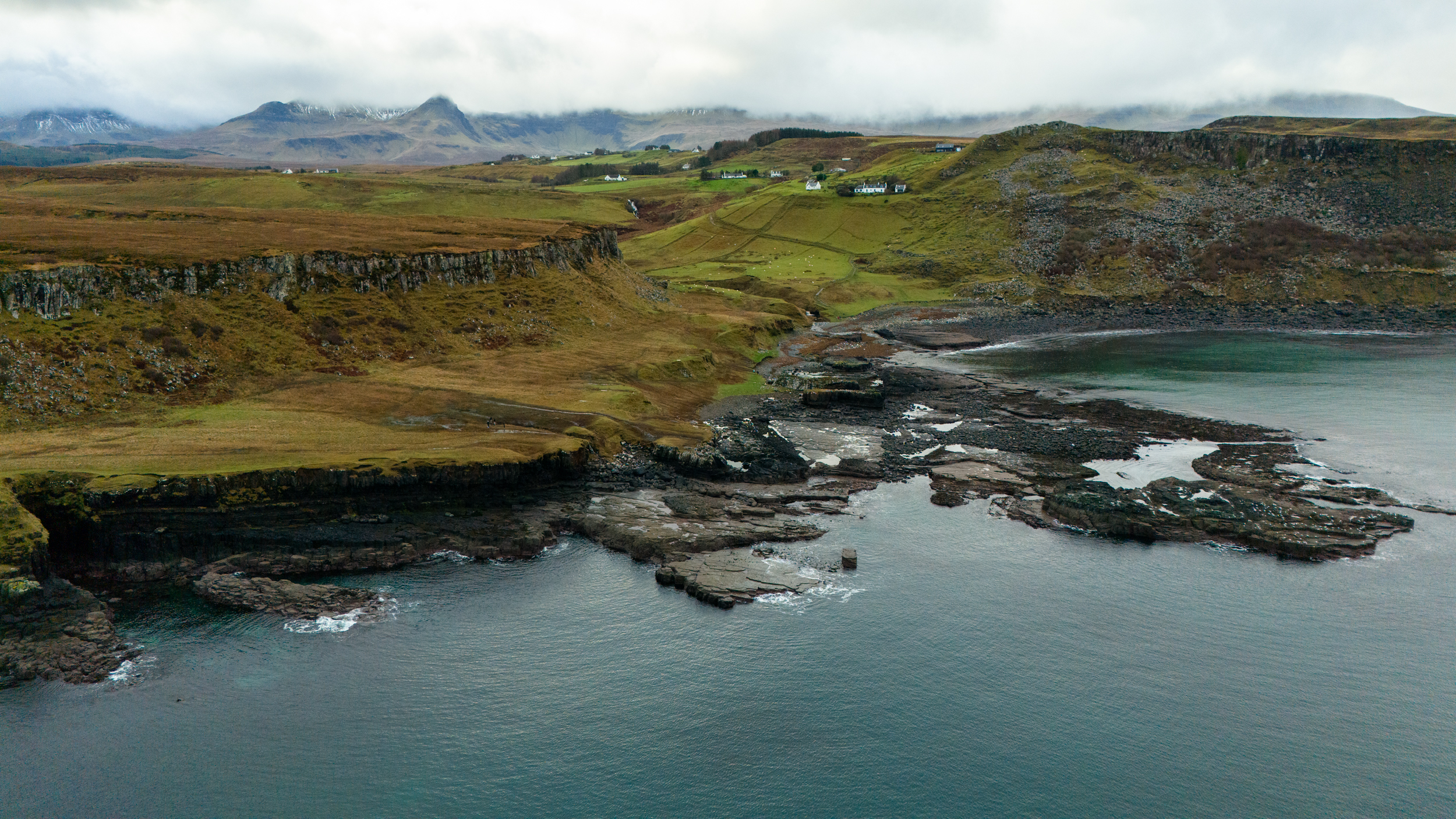
For this project, I had the help of AP’s reporter who didn’t know the individuals in the story who I photographed and interviewed. This is helpful so that I can make sure that it doesn’t sound too activistic, but more independent and unbiased. I also think there is a necessary amount of emotional investment that these projects require of me where I’m never able to be completely neutral as its only human to be affected by the issues faced by those we hear from. I try to step back and observe my own developing opinions as an outsider would and process the issues with loved ones who can question my own way of thinking. Controlling my emotional bias and prioritizing what’s indisputable or what subjects argue will strengthen the impact of the final article.
On Balancing Work
MM: That’s really interesting to hear about the full process behind that series. Finishing up, and thinking of these different ways of working, how you balance self-directed projects and personal interests with the assignment work?
EW: I don’t do this work full-time right now, but if I get more regular assignment work, that would create some more difficult decisions for me. I find much more motivation and satisfaction in my self-directed projects because they’re inevitably about something I’m personally invested in. Though I doubt it would become too overbearing in the future because even the photojournalists I know who are more experienced and successful than me are often struggling to make ends meet. It’s a very unreliable industry to work as a freelancer in, and many have to pivot to commercial photography or other types of work as well to stay afloat.
I think another thing that can inhibit personal projects is busyness and overstimulation
Most people today have very full lives with a lot of activities, responsibilities, friendships, trips, work, school, etc. and while so much of this is good, I think it can limit bandwidth for creativity. We also are constantly distracted by social media, news, Netflix, and all sorts of other digital content. Sometimes, I think they can be helpful in developing inspiration such as a particular movie with beautiful artistic filming, but overall, I think the digital bombardment can overwhelm our mental space. I find that a slower pace of life and limited technology are healthier for me both emotionally and then for the creative space to work on projects.
Thank you Emily for such a wide and interesting discussion about your work and process. You can see more of Emily’s work on the links.